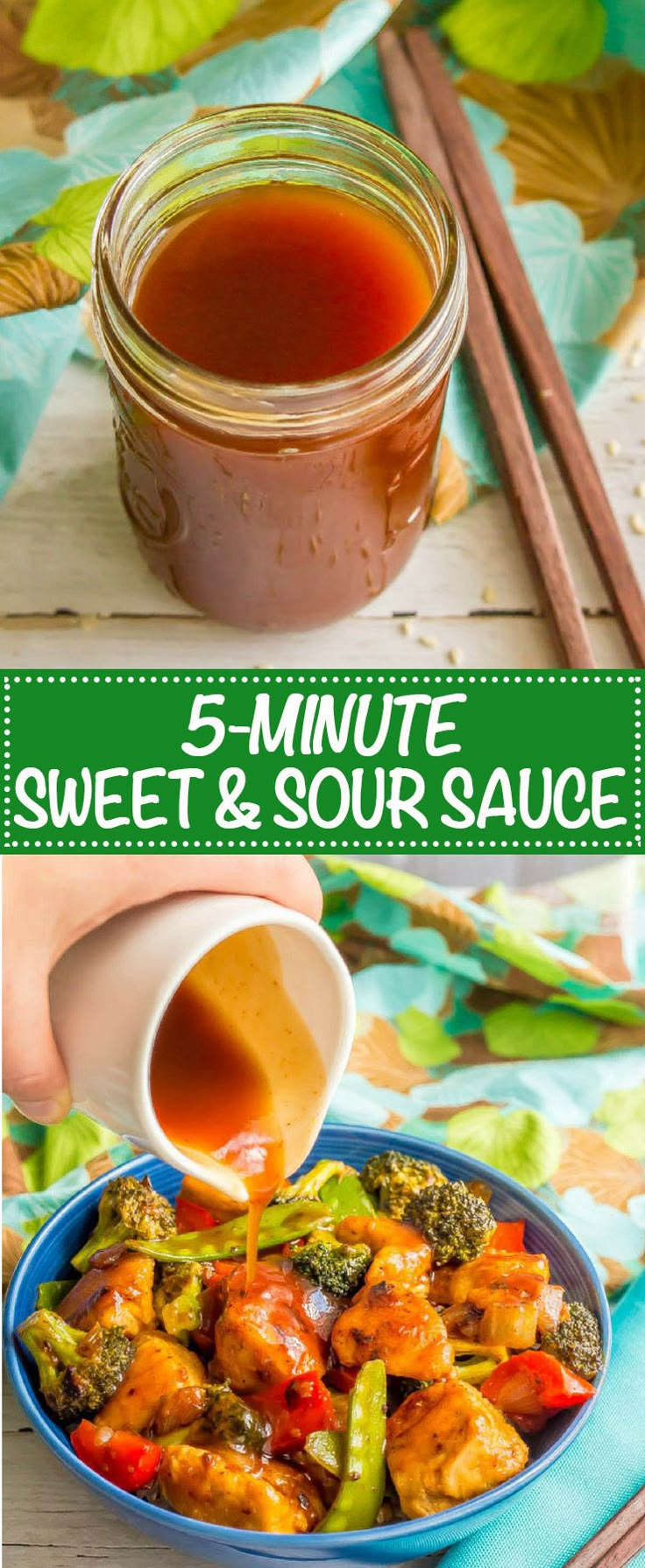
Unlock Restaurant-Quality Flavor at Home with a Simple Sweet and Sour Sauce
There's something undeniably captivating about a perfectly balanced sweet and sour sauce. That delightful dance between tangy and sweet, often with a hint of savory depth, transforms ordinary dishes into extraordinary culinary experiences. If you've ever savored the vibrant flavors of your favorite Chinese takeout and wished you could replicate that magic in your own kitchen, you're in luck. Crafting a homemade sweet and sour sauce is not only surprisingly easy but also incredibly rewarding, allowing you to achieve a restaurant-worthy taste with minimal effort and common pantry staples.
Forget the mystery ingredients and preservatives found in many store-bought versions. This guide will walk you through creating a simple, delicious, and incredibly versatile sweet and sour sauce that will become a go-to in your recipe arsenal. Whether you're looking to elevate everyday meals, impress guests, or simply enjoy a fresher, more authentic flavor, mastering this sauce is a culinary game-changer. For even more insights into making this kitchen essential, explore our Easy Homemade Sweet and Sour Sauce: Better Than Takeout! article.
Why Homemade Sweet and Sour Sauce Triumphs Over Store-Bought
The allure of a good sweet and sour sauce is undeniable, but the difference between a mass-produced bottle and a freshly made batch is profound. Here's why taking a few minutes to prepare your own is always the superior choice:
- Unmatched Freshness and Flavor: Homemade sauce boasts brighter, cleaner flavors because you're using fresh ingredients without the need for artificial preservatives or flavor enhancers. The vibrant notes of pineapple, vinegar, and brown sugar truly shine.
- Control Over Ingredients: You dictate what goes into your sauce. This means you can adjust sweetness, tartness, and saltiness to your exact preference, or even cater to dietary needs by choosing specific types of sugar or soy sauce.
- No Hidden Additives: Many commercial sauces contain high-fructose corn syrup, artificial colors (like the bright red often seen), and various stabilizers. Making your own ensures a pure, wholesome condiment.
- Cost-Effective: The basic components for sweet and sour sauce are incredibly affordable and likely already in your pantry, making homemade a much more economical option in the long run.
- Personalized Perfection: Want a little extra kick? Add some fresh ginger or a pinch of red pepper flakes. Prefer it a bit more tangy? A splash more vinegar does the trick. Homemade allows for endless customization.
The Core Ingredients for a Perfectly Balanced Sweet and Sour Sauce
Achieving that iconic sweet and sour balance is simpler than you might think, relying on a handful of readily available kitchen staples. The beauty of this recipe lies in its simplicity and the harmonious interplay of these components:
Sweet Elements:
- Brown Sugar: This is your primary sweetener, contributing a rich, molasses-like depth that granulated sugar can't quite match. Packed brown sugar helps create that thick, "goopy" texture often desired.
- Pineapple Juice: Beyond just sweetness, pineapple juice brings a fruity tang and a subtle tropical aroma that is characteristic of authentic sweet and sour sauce. It's an indispensable component for both flavor and consistency.
Sour Elements:
- Vinegar: White vinegar is commonly used for its clean, sharp acidity that cuts through the sweetness beautifully. Some recipes might use rice vinegar for a slightly milder tang, but white vinegar delivers that classic punch.
Umami and Savory Depth:
- Soy Sauce: A touch of soy sauce is crucial for adding a savory, umami dimension that grounds the sweet and sour flavors, preventing the sauce from being overly one-dimensional. It adds depth and a beautiful brownish hue.
The Thickener:
- Cornstarch: This is the secret to achieving that luscious, glossy, and perfectly thickened consistency. Combined with water to create a slurry, cornstarch transforms the liquid ingredients into a rich sauce that clings beautifully to whatever you're serving it with.
While not strictly necessary for the core flavor, a few drops of red food coloring can be added for that vibrant, Chinese-American restaurant look, though many prefer to keep it natural.
Step-by-Step Guide to Crafting Your Sweet and Sour Sauce
Making this incredible sweet and sour sauce is a straightforward process, requiring minimal culinary expertise. Here’s how you can achieve that perfect consistency and flavor:
- Gather Your Ingredients: Ensure you have your pineapple juice, water, vinegar, soy sauce, brown sugar, and cornstarch measured out and ready. This mise en place makes the cooking process smooth and efficient.
- Combine Liquids and Sweetener: In a medium saucepan, combine the pineapple juice, water, vinegar, soy sauce, and brown sugar. Whisk these together until the brown sugar is mostly dissolved. This ensures an even distribution of flavors.
- Prepare the Cornstarch Slurry: In a separate small bowl, whisk the cornstarch with a tablespoon or two of cold water until completely smooth. This slurry is essential to prevent lumps when you add it to the hot sauce.
- Heat and Thicken: Place the saucepan over medium heat. Bring the mixture to a gentle boil, stirring continuously. As it heats, the sugars will fully dissolve, and the flavors will begin to meld.
- Introduce the Slurry: Once the mixture is simmering gently, slowly pour in the cornstarch slurry while continuously stirring. You'll notice the sauce starting to thicken almost immediately. Keep stirring constantly to ensure a smooth, even consistency.
- Cook to Perfection: Continue to cook and stir for another 1-2 minutes after adding the slurry, allowing the sauce to reach your desired thickness. It should be thick enough to coat the back of a spoon, but still pourable. If you desire a slightly redder hue, this is when you can stir in a drop or two of red food coloring.
- Taste and Adjust: Remove the sauce from the heat and give it a taste. This is your chance to personalize it! If it's too sweet, add a tiny bit more vinegar. If it's too tart, a pinch more brown sugar can balance it out. A little extra soy sauce can boost the umami.
That's all there is to it! You've just created a batch of incredible, homemade sweet and sour sauce that rivals any restaurant's offering.
Unlock the Versatility: How to Use Your Homemade Sweet and Sour Sauce
Once you have a batch of this glorious sweet and sour sauce, your culinary possibilities expand dramatically. Its adaptability is one of its greatest strengths:
- Classic Sweet and Sour Chicken or Pork: The most iconic pairing! Toss crispy fried chicken or pork pieces directly in the warm sauce for that beloved Chinese-American staple.
- Dipping Sauce Extraordinaire: It's perfect for dipping practically anything. Think chicken nuggets, spring rolls, egg rolls, crab rangoons, tempura vegetables, or even simple shrimp. It’s a fantastic alternative to plain ketchup.
- Flavorful Glaze: Brush it over baked or grilled salmon, chicken wings, meatballs, or even smoked sausage during the last few minutes of cooking for a glossy, flavorful finish.
- Stir-Fry Enhancer: Add a generous dollop to your vegetable or meat stir-fries towards the end of cooking to coat everything in a tangy-sweet glaze.
- Marinade Base: Use it as a base for marinades for chicken, pork, or tofu before grilling or baking. The acids in the vinegar and pineapple juice will help tenderize, while the flavors infuse your protein.
- Beyond Asian Cuisine: Don't limit yourself! Try drizzling it over roasted vegetables like broccoli or Brussels sprouts, or even using it as a unique dressing for a vibrant salad.
For even more ingenious ways to incorporate this sauce into your meals, check out our article Ingredient Sweet & Sour Sauce: Your Ultimate Versatile Condiment.
Tips for Storing and Enjoying Your Sweet and Sour Masterpiece
Having a batch of homemade sweet and sour sauce on hand means delicious meals are always within reach. Here’s how to store and maximize its longevity:
- Proper Storage: Once cooled completely, transfer your leftover sweet and sour sauce to a shallow, airtight container. A shallow container allows it to cool down more quickly and evenly.
- Refrigeration: Store the sealed container in the refrigerator. Properly stored, your homemade sweet and sour sauce will remain fresh and delicious for up to three weeks.
- Reheating: When you're ready to use it again, simply reheat the desired amount gently on the stovetop over low heat, stirring occasionally, or in the microwave. If it has thickened too much in the fridge, you can whisk in a tiny splash of water or pineapple juice to reach your desired consistency.
- Batch Cooking: Since it stores so well, consider making a larger batch than you immediately need. This way, you'll always have this fantastic sauce ready for quick weeknight dinners or impromptu entertaining.
Conclusion
Ditching the store-bought bottles and embracing the simplicity of homemade sweet and sour sauce is a culinary decision you won't regret. With just a few basic ingredients and a simple cooking process, you can create a vibrant, balanced, and incredibly versatile condiment that elevates countless dishes. From classic sweet and sour chicken to creative glazes and dips, your kitchen will become a hub of delicious, restaurant-quality flavors. So, roll up your sleeves, gather your ingredients, and prepare to impress yourself and your loved ones with this effortlessly delicious creation!
