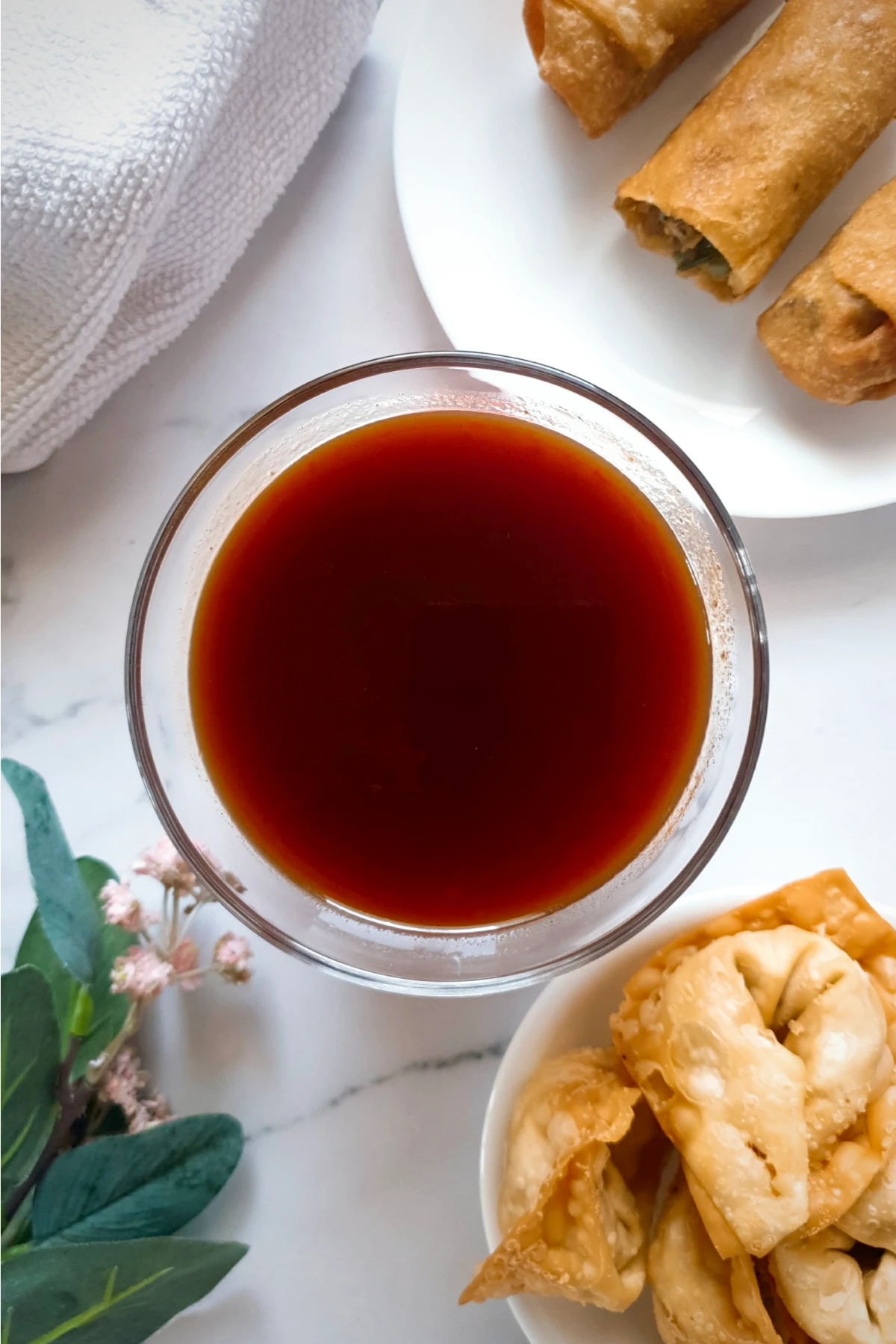
Ingredient Sweet & Sour Sauce: Your Ultimate Versatile Condiment
Few condiments hold a place in global cuisine as iconic and universally loved as sweet and sour sauce. This vibrant, flavorful concoction, with its signature balance of opposing tastes, has transcended its traditional Asian roots to become a beloved staple in kitchens and restaurants worldwide. Far more than just a dip for your favorite takeout, this versatile sauce is a culinary powerhouse, capable of transforming simple ingredients into extraordinary dishes. If you've ever dreamt of recreating that restaurant-quality tang and sweetness at home, you're in for a treat. Making your own sweet and sour sauce from scratch is not only surprisingly easy but also incredibly rewarding, allowing you to control the freshness and flavor profile like never before.
What Makes Sweet and Sour Sauce So Irresistible? The Flavor Profile Explained
At the heart of any exceptional sweet and sour sauce lies its perfectly calibrated flavor balance. It’s a dance between two primary tastes: the undeniable sweetness and the invigorating sourness. The "sweet" often comes from sources like brown sugar, offering a rich, molasses-infused depth, beautifully complemented by the bright, fruity notes of pineapple juice. This isn't just a sugary hit; it's a layered sweetness that lingers pleasantly on the palate.
Opposing this sweetness is the "sour," typically delivered by vinegar. While white vinegar provides a classic, sharp tang, variations like rice vinegar offer a milder acidity, and apple cider vinegar can introduce a subtle fruitiness. This sour component is crucial, cutting through richness and providing a refreshing counterpoint that prevents the sauce from becoming cloyingly sweet. Beyond these two dominant flavors, a touch of umami from soy sauce adds complexity and depth, grounding the sauce and making it truly addictive. This dynamic interplay of sweet, sour, and savory is what makes sweet and sour sauce so incredibly palatable and adaptable to a vast array of dishes, igniting the taste buds with every bite.
Unlocking the Versatility: More Than Just a Dipping Sauce
While many first encounter sweet and sour sauce as a glorious dipping companion for spring rolls, crab rangoons, or crispy chicken nuggets, its potential reaches far beyond the appetizer tray. This is a condiment that truly lives up to the definition of "versatile." Imagine infusing your weeknight meals with a burst of vibrant flavor using a sauce you crafted yourself!
Here are just a few ways this culinary chameleon can elevate your cooking:
- Dipping Sauce Extraordinaire: The classic application. Perfect for chicken nuggets, tempura, shrimp, egg rolls, or even homemade fries. Its bright flavor is an ideal counterpoint to fried foods.
- Glaze for Meats: Brush it over grilled chicken, baked salmon, or roasted pork tenderloin during the last few minutes of cooking for a glossy, flavorful finish. It caramelizes beautifully, creating an irresistible crust.
- Stir-Fry Sensation: Forget bland stir-fries! Incorporate your homemade sweet and sour sauce directly into your vegetable and protein stir-fries. It coats everything in a vibrant, savory-sweet sheen, turning simple ingredients like bell peppers, broccoli, and snap peas into a cohesive, flavorful meal.
- Marinade Magic: Tenderize and infuse flavor into chicken, pork, or even firm tofu before cooking. The acidic components in the sauce help break down tougher fibers, while the sweetness penetrates the meat, resulting in incredibly succulent and flavorful dishes.
- Beyond the Obvious: Think outside the box! Pour it over meatballs for a quick and satisfying meal, mix it with rice for a simple yet flavorful side, or use it as a dressing base for an adventurous salad. It can even transform simple smoked sausage or steamed vegetables.
From the famous sweet and sour chicken and pork that grace Chinese-American menus to transforming everyday ingredients, having a quality sweet and sour sauce recipe in your repertoire is a game-changer. For those who love the idea of creating something truly special in their own kitchen, our
Easy Homemade Sweet and Sour Sauce: Better Than Takeout! article dives deeper into how to achieve this culinary feat.
Crafting Your Own Restaurant-Quality Sweet and Sour Sauce at Home
The secret to truly restaurant-worthy sweet and sour sauce isn't a complex, obscure ingredient or an intricate technique. In fact, it's quite the opposite. The beauty of this sauce lies in its simplicity and the use of everyday kitchen staples. Many home cooks are surprised to discover that they likely already have all the necessary components on hand, making the decision to whip up a batch as spontaneous as a craving strikes. This ease of preparation, combined with the superior taste and control over ingredients, makes homemade sweet and sour sauce a clear winner over most store-bought alternatives.
The basic process is incredibly straightforward: combine your chosen ingredients, bring them to a boil, and stir continuously until the mixture thickens to that desirable "goopy" consistency. That's truly all there is to it! No complicated emulsification, no lengthy simmering – just a few minutes of active cooking yield a sauce that tastes fresh, vibrant, and packed with authentic flavor. For a step-by-step guide to achieving that perfect balance, be sure to read our article on a
Simple Sweet and Sour Sauce Recipe for Restaurant-Quality Taste.
Essential Ingredients for Your Signature Sweet and Sour Sauce
While the exact proportions can vary slightly to suit personal preferences, the core components remain consistent, each playing a crucial role in the final flavor and texture:
- Pineapple Juice (1 cup): This is the foundation of the sauce's fruity sweetness and a key acidic component. Opt for 100% pineapple juice without added sugars to control the overall sweetness.
- Water (1/3 cup): Used to thin the sauce to the right consistency before thickening and to help dissolve the sugar and cornstarch.
- Vinegar (3 tablespoons): The primary source of the "sour." White vinegar offers a sharp, clean tang. For a slightly milder or nuanced flavor, rice vinegar or even apple cider vinegar can be experimented with.
- Soy Sauce (1 tablespoon): Adds a crucial layer of umami and a hint of saltiness, balancing the sweet and sour elements and contributing to the sauce's rich color. Low-sodium soy sauce is a good choice if you're mindful of sodium intake.
- Packed Brown Sugar (1/2 cup): Provides a deep, caramel-like sweetness due to its molasses content, which is more complex than granulated white sugar. You can adjust the amount to your sweetness preference.
- Cornstarch (3 tablespoons): The thickening agent responsible for giving the sauce its signature "thick and gooey" texture. Without it, you'd have a very thin liquid.
Beyond these essentials, some home cooks like to add a pinch of garlic powder or grated fresh ginger for an extra layer of aromatic complexity, taking the flavor profile even further into traditional Asian culinary territory.
Mastering the Art of Thickening: The Cornstarch Slurry Secret
The key to achieving the perfect, glossy, and "goopy" consistency of sweet and sour sauce lies in the proper use of cornstarch. Simply dumping cornstarch directly into hot liquid is a recipe for lumpy disaster. The secret is the *slurry*.
Before adding cornstarch to your saucepan, always mix it thoroughly with a small amount of cold water (or some of the recipe's specified water) to create a smooth, thin paste. This "slurry" prevents the cornstarch from clumping when it hits the hot liquid, ensuring an even distribution and a silky-smooth sauce. Once your other ingredients are simmering, gradually whisk in the cornstarch slurry, stirring continuously. As the sauce heats, the cornstarch molecules will swell and thicken the liquid. Keep stirring until the sauce reaches your desired thickness – it should coat the back of a spoon and have a lovely, translucent sheen. This constant stirring is vital to prevent sticking and ensure uniform thickening.
Storage and Reimagining Leftovers: Maximize Your Homemade Sauce
One of the great advantages of making a batch of sweet and sour sauce from scratch is the convenience of having it on hand whenever a craving strikes. Properly stored, your homemade sweet and sour sauce will maintain its incredible flavor and texture for an extended period. Simply transfer any leftover sauce into a shallow, airtight container and store it in the refrigerator. It will keep beautifully for up to three weeks, ready to be reheated and enjoyed at a moment's notice. When reheating, a gentle simmer on the stovetop or a quick blast in the microwave will do the trick. If it appears a little too thick after refrigeration, a tiny splash of water or pineapple juice can bring it back to the perfect consistency.
Having a prepared batch in the fridge also encourages culinary creativity. Think beyond the immediate uses: stir it into a ramen broth for a tangy kick, use it as a base for a vibrant salad dressing, or even thin it slightly and toss it with roasted vegetables for a delightful side dish. The possibilities are truly endless, making your homemade sweet and sour sauce not just a condiment, but a fundamental ingredient for elevating everyday meals.
In conclusion, sweet and sour sauce is an indispensable condiment, revered for its remarkable ability to balance contrasting flavors and enhance a vast array of dishes. Crafting this incredible sauce in your own kitchen is a simple, rewarding endeavor that promises superior taste, freshness, and versatility compared to its store-bought counterparts. With just a few common ingredients and a straightforward process, you can achieve that sought-after restaurant-quality taste, ready to transform your meals from ordinary to extraordinary. Embrace the joy of homemade and discover the ultimate versatile condiment!